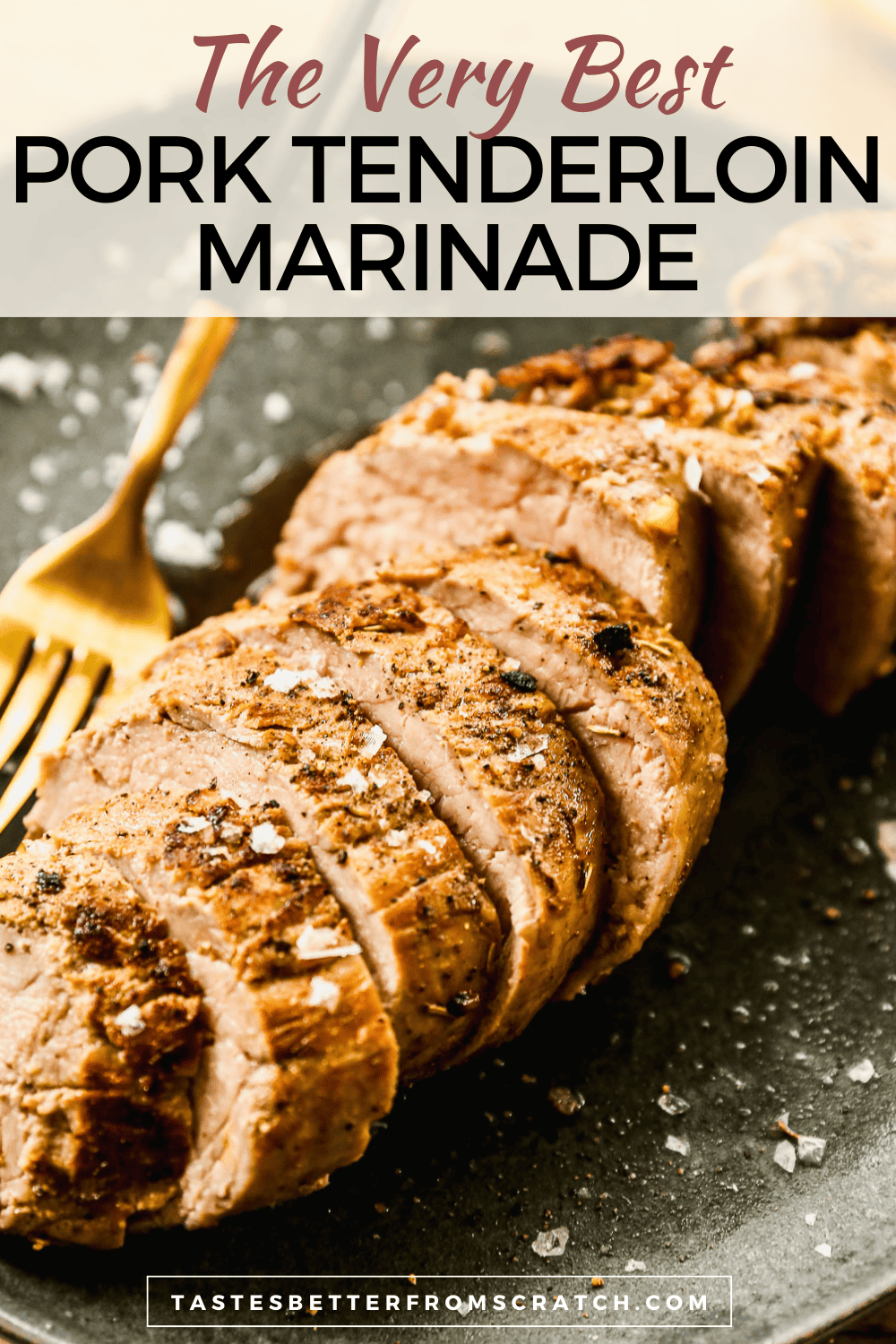
Transform Your Weeknights: The Ultimate Easy Pork Tenderloin Marinade for Gourmet Results
Navigating the demands of modern life often leaves little time for elaborate meals, yet the desire for something truly delicious and special remains. If you've ever felt that preparing a flavorful, juicy pork tenderloin on a busy weeknight was an impossible dream, think again. The secret lies not in spending hours in the kitchen, but in a remarkably simple yet incredibly effective easy pork tenderloin marinade that delivers tender, gourmet-quality meat with minimal effort.
This marinade isn't just about convenience; it's a culinary game-changer. It takes mere minutes to assemble, then works its magic while you go about your day, infusing your pork with a harmonious blend of sweet, savory, and tangy notes. The best part? Its unparalleled flexibility, allowing you to adapt to your pantry's current contents without a special shopping trip. Get ready to elevate your home cooking, turning an ordinary cut of meat into a show-stopping dish that tastes like it came from a fancy steakhouse.
The Core Magic: Sweet, Savory, and Simply Irresistible
At the heart of this phenomenal marinade is a classic combination that creates an irresistible flavor profile. Picture this: the rich sweetness of honey, the umami depth of soy sauce, and the sharp, tangy kick of Dijon mustard. These three powerhouses come together to form a marinade that not only tenderizes the pork but also builds a complex flavor foundation that will have everyone asking for your secret recipe.
- Honey (or a sweet counterpart): Provides a beautiful sweetness that caramelizes beautifully during cooking, creating a golden-brown crust and a subtle depth.
- Soy Sauce (or an alternative): Delivers a crucial savory, umami punch, enhancing the pork's natural flavors and adding a salty balance to the sweetness.
- Dijon Mustard (or another mustard): Contributes a sophisticated tang and a slight peppery note, cutting through the richness and adding a gourmet edge.
This core trio is often complemented by aromatics like garlic and herbs, and a touch of acidity to further tenderize the meat and brighten the flavors. The synergy of these ingredients ensures that every bite of your pork tenderloin is bursting with flavor, making it perfect for meal prep, spontaneous dinners, or even entertaining guests. Once marinated, your pork cooks in just 30-45 minutes, transforming hectic weeknights into opportunities for an effortlessly elegant meal.
Pantry to Plate: Unleashing the Power of Ingredient Swaps
One of the most remarkable aspects of this easy pork tenderloin marinade is its forgiving nature and adaptability. Don't have a specific ingredient? No problem! This section will empower you to confidently swap ingredients based on what you already have on hand, ensuring you can whip up a delicious meal at a moment's notice.
Sweetener Substitutions:
If honey isn't in your pantry, don't fret. The goal here is to provide a sticky sweetness for caramelization and flavor.
- Maple Syrup: Offers a richer, more nuanced sweetness with subtle woody notes. It's a fantastic 1:1 substitute.
- Agave Nectar: A neutral, slightly thinner sweetener that works perfectly as a 1:1 swap.
- Granulated Sugar: You can use the same amount, but keep in mind it might not offer the same depth or sticky texture as liquid sweeteners. Dissolve it well in the other liquid ingredients.
Mustard Alternatives:
Dijon mustard provides a specific tangy and slightly pungent flavor, but other mustards can step in.
- Yellow Mustard: A milder, more vinegary option. You might want to add an extra teaspoon or two (e.g., 2-3 teaspoons instead of 1-2 for Dijon) to achieve a comparable tangy kick.
- Stone-Ground Mustard: Adds a coarser texture and often a spicier, more robust flavor. Use it sparingly at first and taste.
Soy Sauce & Gluten-Free Options:
Soy sauce is key for umami, but dietary needs or availability might require a swap.
- Tamari: A gluten-free alternative to soy sauce that offers a very similar flavor profile. Use 1:1.
- Coconut Aminos: Another excellent gluten-free and soy-free option. Keep in mind it's typically slightly sweeter than soy sauce, so you might consider reducing the primary sweetener (honey/maple syrup) by a teaspoon to maintain balance.
Herbs & Aromatics:
Fresh herbs add a vibrant touch, but dried or alternative fresh herbs are just as good.
- Dried Rosemary: If using dried instead of a fresh sprig, use about 1 teaspoon of dried herbs for every tablespoon of fresh. Crush it slightly in your palm to release its oils.
- Fresh Thyme or Sage: These herbs are wonderful companions to pork. Feel free to swap them in, using a similar amount to fresh rosemary. You can even combine them!
- Garlic (Fresh vs. Powder): Don't have fresh garlic? Use 1 teaspoon of garlic powder for every 3-4 cloves of fresh minced garlic. If a recipe calls for both garlic and onion powder, and you only have one, use 1 teaspoon of that single powder.
Acidic Components:
Acid is crucial for tenderizing the meat and brightening flavors.
- Lime Juice: Offers a bright, zesty citrus note that pairs beautifully with many marinades.
- Apple Cider Vinegar: Provides a slightly fruity, tangy acidity that complements pork wonderfully.
- White Wine Vinegar or Rice Vinegar: Both offer clean, sharp acidity that works well in a pinch.
These flexible swaps mean you're always just a few steps away from a delicious meal, regardless of what's precisely stocked in your pantry. It's truly a testament to the versatility of this easy pork tenderloin marinade.
Prepping for Perfection: Selecting and Trimming Your Tenderloin
While the marinade does most of the heavy lifting, a little attention to detail when selecting and preparing your pork tenderloin can make a big difference in the final outcome.
Shopping Smart:
- Fresh vs. Frozen: Fresh pork tenderloin is ideal, typically found in packages of one or two tenderloins, weighing between 1 to 1.5 pounds each. If using frozen, ensure it's completely thawed in the refrigerator before marinating to allow for even absorption of flavors.
- Visual Cues: Look for pork that has a pinkish-red color, avoiding any gray spots or excessive liquid pooling at the bottom of the package, which can indicate poor quality or age.
The Importance of Trimming:
Before marinating, take a moment to trim your pork tenderloin. The most important part is removing the "silver skin." This thin, shiny, silvery membrane runs along one side of the tenderloin. Unlike fat, silver skin will not break down during cooking; instead, it contracts, making the meat tough and chewy. To remove it, slide a sharp knife just under one end of the silver skin, grasp the loosened end firmly, and carefully slice along the length of the membrane, keeping your knife angled slightly upwards against the skin to avoid cutting into the meat. Any larger pieces of excess fat can also be trimmed, though pork tenderloin is naturally a very lean cut.
Achieving Culinary Excellence: The Art of Cooking Pork Tenderloin
You've mastered the marinade, now let's ensure your cooking technique brings out the best in your tenderloin. The single biggest mistake when cooking pork tenderloin is overcooking it. As a naturally lean cut, it can quickly become dry and tough if left in the heat for too long.
The Golden Rule: Don't Overcook!
Always use an instant-read thermometer. Pull the pork out of the oven, off the grill, or out of the pan when its internal temperature reaches 140-145°F (60-63°C). The temperature will continue to rise a few degrees as it rests.
Resting is Key:
Once cooked, transfer the pork tenderloin to a cutting board and loosely tent it with foil. Let it rest for 5-10 minutes. This crucial step allows the juices to redistribute throughout the meat, resulting in a significantly juicier and more tender final product.
Popular Cooking Methods:
- Grilling: Often considered the best method for marinated pork tenderloin, grilling adds a smoky char and beautiful grill marks. Sear over direct high heat for a few minutes per side, then move to indirect heat to finish cooking until the desired internal temperature is reached.
- Roasting (Oven): For a hands-off approach, sear the tenderloin in an oven-safe skillet on the stovetop first to develop a golden crust, then transfer the skillet to a preheated oven (around 400°F / 200°C) and roast for 15-25 minutes, depending on thickness.
- Pan-Searing: Ideal for smaller tenderloins or when you want to achieve an exceptional crust. Sear the pork in a hot skillet with a little oil, turning frequently, until cooked through. A cast-iron skillet works wonders here.
No matter your chosen method, your perfectly marinated and cooked pork tenderloin will be a testament to how an easy pork tenderloin marinade can elevate a simple meal to gourmet status.
Conclusion: Your New Weeknight Dinner Hero
Forget the stress of elaborate cooking and embrace the simplicity and deliciousness of this easy pork tenderloin marinade. It's more than just a recipe; it's a versatile tool that equips you to create tender, flavorful pork any night of the week, with the flexibility to adapt to your pantry and preferences. From the initial minutes of assembly to the satisfying sizzle and the final succulent bite, this marinade transforms an ordinary cut into a restaurant-worthy experience. So go ahead, give it a try – your taste buds, and your busy schedule, will thank you.
